The “Proof First CV System”: How to Write a CV for a Career Change Without Starting Over
Changing careers often exposes a frustrating problem: your CV never quite feels right. Many mid-career professionals struggle to show transferable skills or explain direction when moving industries. This guide introduces the Proof First CV System — a simpler way to position your experience without endlessly rewriting your CV.
If you are trying to change careers and your CV never feels finished, you are not alone.
Many mid-career professionals rewrite their CV again and again — adjusting wording, moving bullet points, tweaking job titles — yet still struggle to explain their value when changing industry or direction.
The problem usually isn’t experience.
It’s that one document is being asked to do three completely different jobs.
And no single CV can do that well.
This is where the Proof First CV System comes in — a practical approach designed specifically for career transitions, not traditional job applications.
Why Career Change CVs Feel So Difficult
Most CV advice assumes stability.
You know the role.
You know the industry.
You are proving continuity.
But during a career change, none of that is true. In fact you are simultaneously:
exploring new directions
cultivating a network of strangers
explaining transferable skills
applying for specific roles
Trying to solve all three with one CV creates constant friction.
Each time the audience changes, the document stops working.
So you rewrite.
Again.
Meanwhile, your poorly performing resume means you are experiencing low response rates, ghosted silence and the slow erosion of your confidence that you can even make the transition in the first place.
The Real Problem: One System, Three Different Purposes
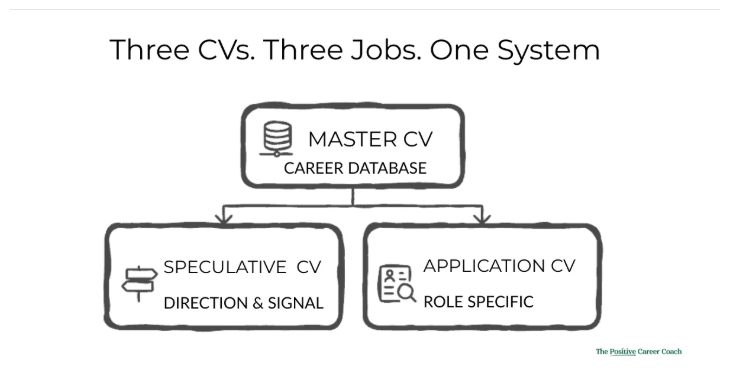
Three documents, one system
During a career transition, you are actually moving through three stages.
Each requires a different kind of tool.
1. The Master CV — Your Career Database
Before writing anything outward-facing, you build a Master CV.
This is not a document you send.
It is a private record of your work — projects, outcomes, achievements, and repeated strengths.
Most professionals rely on memory when writing CVs. Or an iteration of their last one. That leads to under-selling experience and forgetting valuable examples. It also means that you are trying to solve your value proposition puzzle with an outdated solution
A Master CV changes the process completely.
Instead of inventing content every time, you select from evidence already captured.
What goes into a Career Database:
Keep it simple. Thinking of this as a series of snippets, examples, sound bites stored in a database (spreadsheet, Notion doc, Airtable etc) can help. Because one past project might serve as proof of several transferable skills. So it could, and should, occur several times.
Because when you are compiling your Application CV or prepping for an interview you want easy access to ALL of the examples where you have demonstrated a required skill.
So, list out…
key projects and initiatives
problems solved
measurable outcomes
leadership or influence moments
transferable skills appearing across roles
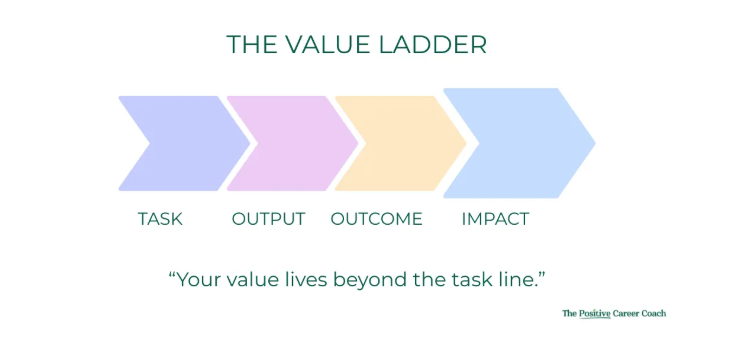
But don’t just stop at the task description, follow it through to the outcome.
Many people discover patterns they had never noticed before.
The goal is clarity first, wording later.
2. The Speculative CV — For Exploration and Conversations
This is the CV most people don’t realise they need. The speculative CV is used when someone says:
“Send me your CV so I understand what you do.”
It is not tied to a job description. Instead, it signals direction. A strong speculative CV shows three things clearly:
the problems you solve
where you are heading next
what you have done that support your credibility in that mission
This makes networking conversations dramatically easier because others can quickly understand how to help you, and advocate on your behalf..
For career changers, this document often generates opportunities before formal applications even begin.
Your CV should not be a puzzle for some one else
A lot of the resumes and CVs that I am sent are a total puzzle. A simple list of ‘things I have done’. Which then means I have to do the thinking. To try and figure out the narrative thread, what this person wants to do, what they want/need to be known for.
Happily I am a professional climate career coach so I put the time in. You hiring decision maker is a time poor pressured individual unlikely to spend more than 20 seconds trying to “read” a CV. Jus’ sayin’.
3. The Application CV — For Targeted Roles
Only at this stage do you tailor a CV to a specific job.
But crucially, you are no longer rewriting from scratch.
You are selecting relevant proof from your Master CV and shaping it for one audience.
Tailoring becomes faster and more precise because the thinking work has already been done.
Yes there is work to do in extracting the specifics, in translating the job description (if there is one) and of crafting the narrative to suit the expected demand of the work.
But you have a full and comprehensive access to all the relevant work in front of you.
Why the “Proof First CV System” Works
When people separate these stages, three shifts happen quickly:
Speed increases
Applications stop taking entire evenings.
Transferable skills become obvious
Patterns appear across roles and industries.
Confidence improves
You rely on evidence rather than guesswork.
The CV becomes a translation tool, not a test of self-belief.
How to Start Today (Without Rewriting Your CV)
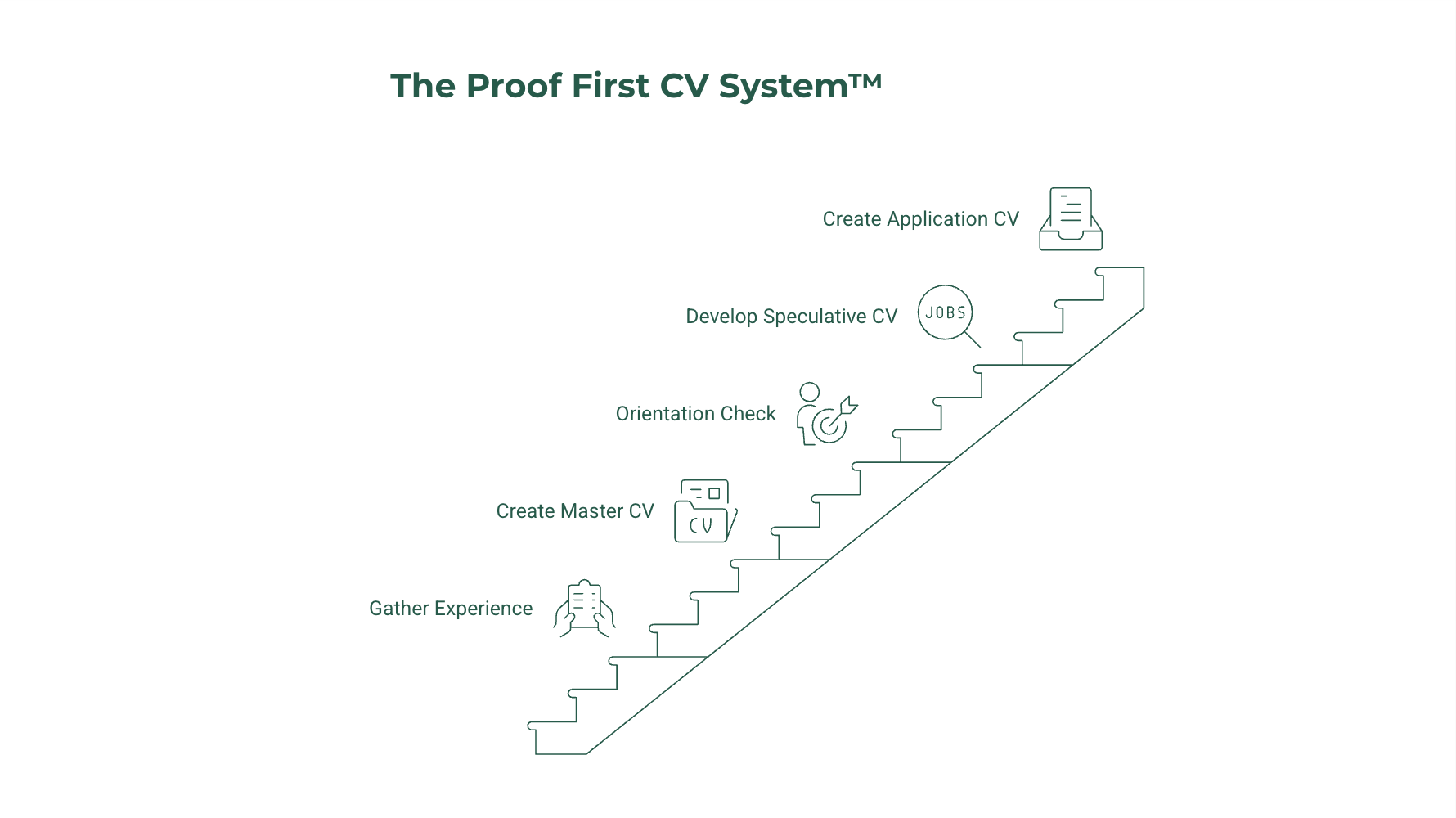
The sequence is what counts
Instead of opening a template and trying to write your CV, try this:
Gather old CVs, LinkedIn entries, and performance reviews.
List projects rather than responsibilities.
Record each example as:
Task → Output → Outcome → Impact
Notice repeating strengths.
Tag each line in your database with the skills that the example required
You are building the foundation that makes every future CV easier.
A Simpler Way Forward
If you are changing careers, the goal isn’t to perfect one document.
It’s to build a system that evolves with you.
The Three CV System is simply the structured version of what you’ve read here — how to build the Master CV, shape a speculative CV, and create application-ready versions without starting over each time.
👉 Explore the full step-by-step system here
Because career transitions are hard enough already.
Your CV shouldn’t be the part that slows you down.
The Step Most Career Change Advice Skips: Are You Even Ready to Write a Speculative CV?
After building a Master CV, many people expect the next step to be writing a new CV immediately.
But this is where career transitions often stall.
You now have clarity about your past — yet your future direction may still feel uncertain.
Before creating a career-change CV, there is a simple readiness question:
Are you ready to optimise — or still testing direction?
Path A: The Direction Is Clear Enough to Test
You may notice:
You can explain what you’ve done, what you’re doing, and what comes next.
Others broadly understand the direction you’re exploring.
Your CV starts to feel focused rather than defensive.
You are no longer trying to include everything “just in case”.
You don’t need perfect certainty.
You only need enough orientation to start conversations.
At this stage, a speculative (conversation) CV becomes powerful.
Path B: The Direction Still Feels Forced
This is extremely common, especially mid-career.
You might find:
Your “next step” sounds vague or generic.
Every draft CV feels slightly artificial.
You keep adding explanations or qualifications.
Writing a personal statement feels impossible.
If this happens, the issue is not your CV.
It’s sequencing.
The process has surfaced a deeper question:
What am I actually optimising for next?
Why This Is Still Progress
Reaching this point means you avoided a costly mistake — polishing the wrong story.
Instead, you now have:
a clear record of your experience
better signal on what doesn’t quite fit
a stronger foundation for deciding direction
Most professionals I work with pause here briefly. It’s where clarity catches up with momentum.
What To Do If You’re Not Ready Yet
Pause optimisation and return to criteria.
Ask:
Which problems genuinely energise me?
What trade-offs am I willing to make?
What would “good” actually need to look like next?
This is the stage where thinking saves time later.
Once direction becomes testable — not perfect, just testable — building a career-change CV becomes dramatically easier.
If you are circling the question of “why isn’t my CV working” and want to finally move forward with the confidence that you are presenting your value most effectively for the roles you want, grab a copy of the full guide for less than the cost of three cups of coffee.
Frequently Asked Questions About Resumes For Career Change
-
Absolutely yes — but tailoring should come from selection, not rewriting.
-
Focus on outcomes and problems solved rather than industry-specific tasks.
Then use Chat GPT or similar to help find the synonyms of the skills you have described in the language of the sector you are aiming at
-
Often because it tries to explain both past experience and future direction at the same time.
And, with out a consistent narrative, tailored to a specific direction, it can feel like a puzzle that someone else has to solve.